
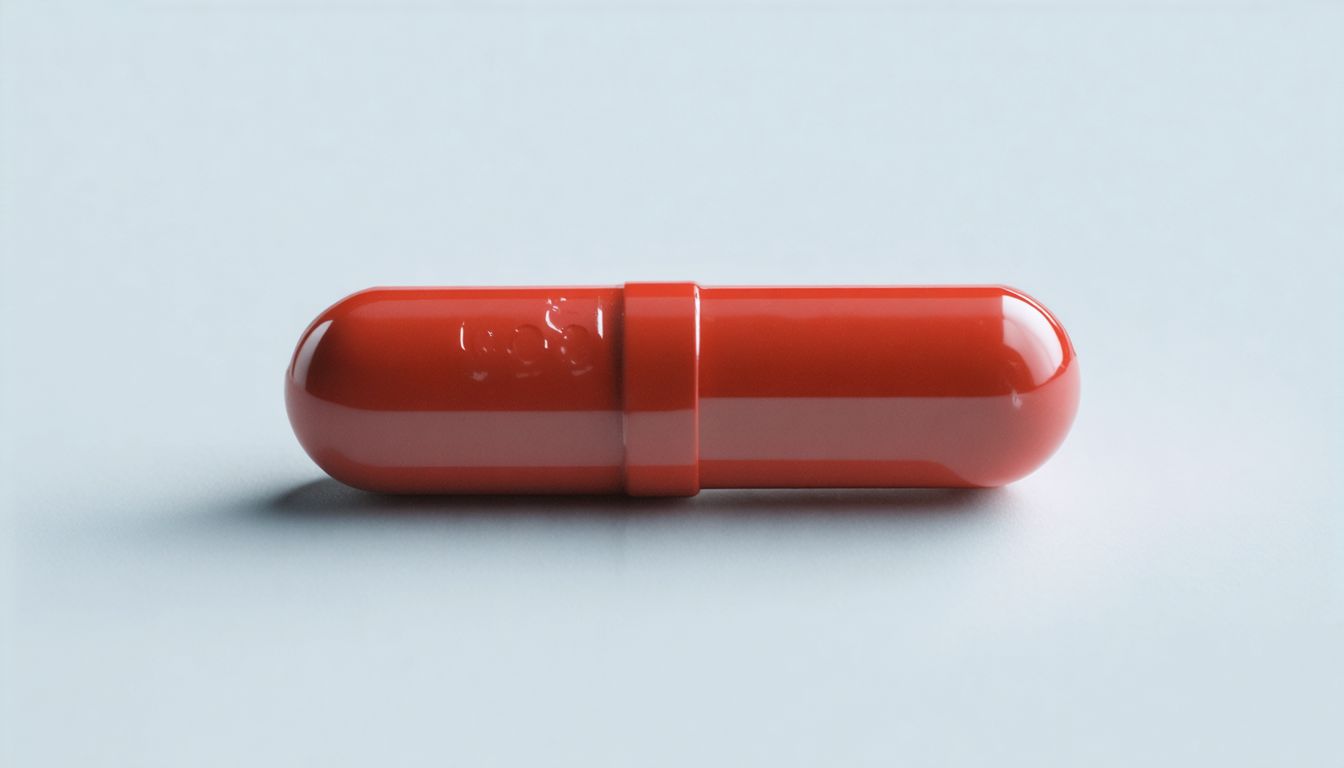
Sildenafil — answers to the main questions
Disclaimer: This article is for informational purposes only and does not replace professional medical advice, diagnosis, or treatment. Always consult a qualified healthcare provider regarding any questions about medications or health conditions.
Frequently asked questions (FAQ block at the beginning)
What is sildenafil?
Sildenafil is a prescription medication best known for treating erectile dysfunction (ED). It belongs to a group of drugs called phosphodiesterase type 5 (PDE5) inhibitors. It is also used under different brand names to treat pulmonary arterial hypertension (PAH).
How does sildenafil work?
Sildenafil increases blood flow by relaxing smooth muscle in blood vessel walls. In erectile dysfunction, it enhances blood flow to the penis during sexual stimulation. In pulmonary hypertension, it helps widen blood vessels in the lungs, reducing pressure.
Why does erectile dysfunction happen?
ED can be caused by reduced blood flow, nerve damage, hormonal imbalance, stress, anxiety, or chronic conditions such as diabetes or heart disease. Lifestyle factors like smoking and obesity also increase risk. Sildenafil addresses the blood-flow component but not all underlying causes.
How do I know if sildenafil is right for me?
It may be considered if you have difficulty achieving or maintaining an erection sufficient for sexual activity. A doctor evaluates cardiovascular health, medications, and underlying conditions before prescribing. Self-diagnosis is not recommended.
How quickly does sildenafil work and how long does it last?
It usually starts working within 30–60 minutes. The effect may last up to 4–5 hours, though this varies. Sexual stimulation is still required for it to be effective.
What are common side effects?
Typical side effects include headache, facial flushing, nasal congestion, indigestion, and dizziness. Some people report temporary visual changes such as a blue tint or increased light sensitivity.
Is sildenafil dangerous?
For most healthy individuals under medical supervision, it is considered safe. However, it can be dangerous if combined with nitrate medications or certain heart drugs, as this may cause a severe drop in blood pressure.
Can I take sildenafil if I have heart disease?
It depends on the severity and stability of your condition. People with unstable angina, recent heart attack, or uncontrolled blood pressure may not be suitable candidates. A cardiology evaluation may be required.
Can sildenafil be taken daily?
Some formulations and dosing regimens allow daily use, while others are taken as needed. The correct schedule depends on your diagnosis and doctor’s recommendation.
Does sildenafil increase sexual desire?
No. It improves the physical response to sexual stimulation but does not increase libido. Psychological, hormonal, or relationship factors affecting desire must be addressed separately.
When should I seek urgent medical help?
Seek immediate care if you experience chest pain, fainting, sudden vision or hearing loss, or an erection lasting more than 4 hours (priapism). These are rare but serious complications.
Can women use sildenafil?
Sildenafil is approved for pulmonary hypertension in both men and women. Its use for female sexual dysfunction is not widely approved and remains under research.
Detailed breakdown
1. Mechanism of action and medical uses
Sildenafil blocks the PDE5 enzyme, increasing levels of cyclic guanosine monophosphate (cGMP). This results in smooth muscle relaxation and improved blood flow. In erectile dysfunction, this effect enhances penile blood inflow during arousal. In pulmonary arterial hypertension, it reduces vascular resistance in lung arteries.
You can find more medical overviews in our Public health resources section, where we summarize evidence-based treatments.
2. Safety profile and contraindications
The most critical contraindication is concurrent use with nitrates (e.g., nitroglycerin) due to the risk of profound hypotension. Caution is also required in patients taking alpha-blockers, certain antifungal drugs, protease inhibitors, or those with severe liver or kidney disease.
Individuals with anatomical penile deformities or conditions predisposing to priapism (such as sickle cell anemia) require special evaluation.
3. Cardiovascular considerations
Because sexual activity itself increases cardiac workload, cardiovascular risk assessment is essential before starting treatment for ED. Patients with stable heart disease may safely use sildenafil under supervision. Those with high-risk cardiac conditions should stabilize their health first.
For broader discussions on cardiovascular risk factors and prevention, see our News and Sober living sections, which cover lifestyle medicine topics.
4. Psychological and lifestyle factors
Not all erectile dysfunction is purely vascular. Anxiety, depression, relationship stress, alcohol use, and sleep disorders contribute significantly. While sildenafil may help symptomatically, addressing underlying causes improves long-term outcomes.
Lifestyle improvements—regular exercise, smoking cessation, balanced diet, and weight management—can enhance both cardiovascular and sexual health.
5. Drug interactions and special populations
Older adults may be more sensitive to blood pressure changes. Dose adjustments may be necessary in hepatic or renal impairment. Recreational use without medical oversight increases risks, especially when combined with alcohol or illicit substances.
Symptom/situation → urgency level → where to seek help
| Symptom / Situation | Urgency Level | Where to Seek Help |
|---|---|---|
| Mild headache or flushing | Low | Monitor; consult prescribing doctor if persistent |
| Dizziness or lightheadedness | Moderate | Contact healthcare provider promptly |
| Chest pain during sexual activity | High | Emergency services immediately |
| Erection lasting more than 4 hours | Emergency | Emergency department immediately |
| Sudden vision or hearing loss | Emergency | Urgent emergency evaluation |
Checklist: what you can do today
- Schedule a medical evaluation before starting sildenafil.
- Inform your doctor about all medications and supplements you take.
- Discuss cardiovascular risk factors (blood pressure, cholesterol, diabetes).
- Avoid combining the drug with nitrates or recreational “poppers.”
- Limit excessive alcohol consumption.
- Adopt heart-healthy habits: exercise, balanced diet, weight control.
- Address stress, anxiety, or relationship concerns with a professional.
- Use medication only as prescribed.
- Seek immediate care for any severe or unusual symptoms.
Sources
- U.S. Food and Drug Administration (FDA) — Drug Safety Communications and prescribing information.
- National Institutes of Health (NIH), MedlinePlus — Sildenafil overview.
- American Urological Association (AUA) — Erectile Dysfunction Guidelines.
- European Association of Urology (EAU) — Guidelines on Sexual and Reproductive Health.
- American Heart Association (AHA) — Cardiovascular considerations in sexual activity.
- World Health Organization (WHO) — Pulmonary hypertension resources.