
The Allure of Gambling: Why People Play
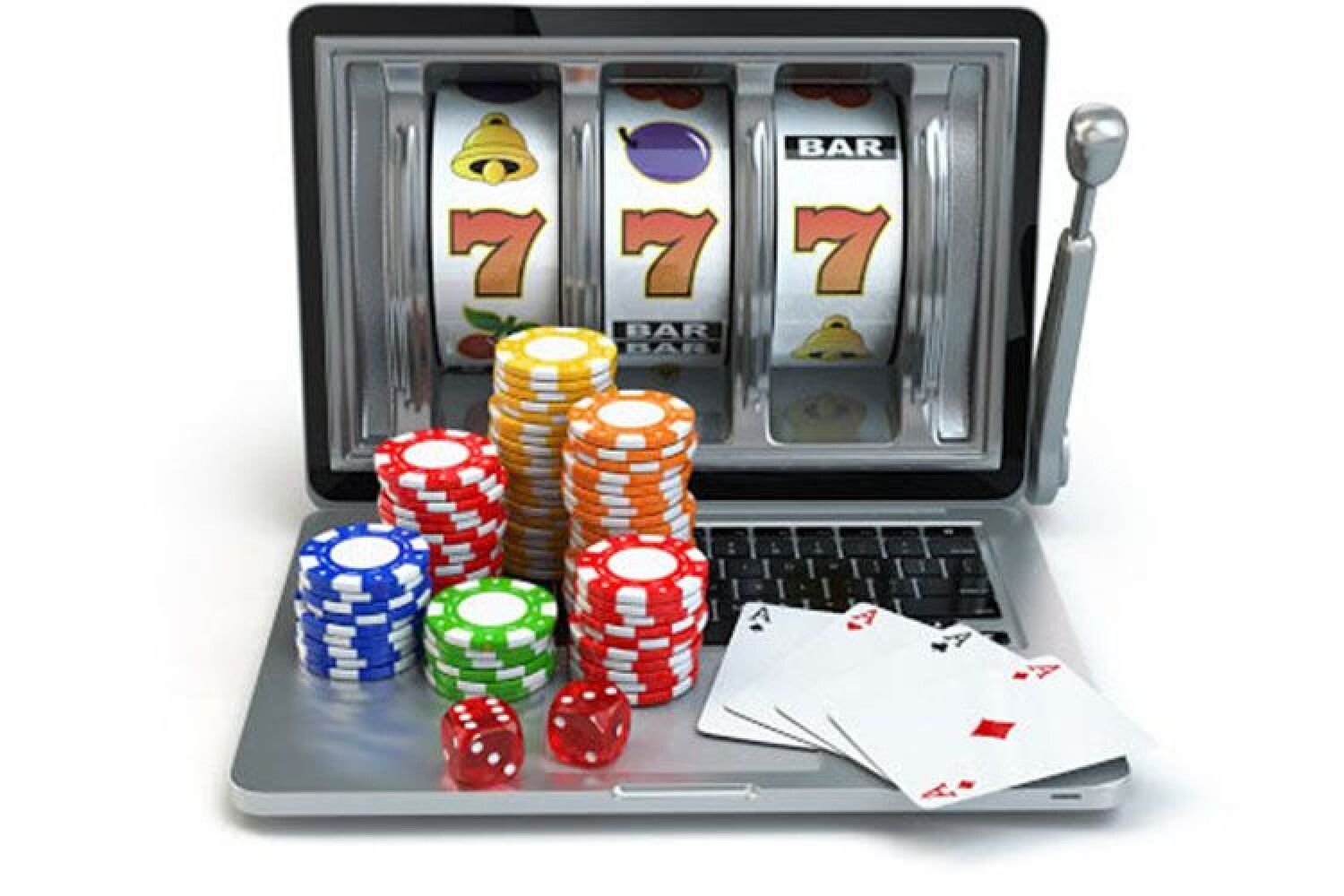
Casino gambling has an inherent allure that draws many people to its vibrant environments. The combination of flashing lights, engaging sounds, and the thrill of potential winnings creates a sensory experience that can be difficult to resist. Many are attracted to gambling for the excitement of chance and the hope of hitting a jackpot, which can trigger a rush of adrenaline that keeps them coming back for more, much like how players might search for the best non Gamstop casinos for a more exhilarating experience.

Psychologically, individuals often engage in gambling as a form of escapism. The casino environment provides an opportunity to temporarily escape from the stresses of everyday life, allowing players to immerse themselves in a world where anything is possible. This escape can lead to decision-making that prioritizes immediate gratification over long-term consequences, making it easier for individuals to justify their gambling behavior.
The Role of Cognitive Biases in Gambling Choices
Cognitive biases significantly influence how individuals approach gambling. One common bias is the gambler’s fallacy, where players believe that previous outcomes can affect future results. For example, someone may think that after several losses, a win is “due” to happen. This misconception can lead to misguided betting strategies, where players increase their wagers in hopes of chasing losses.
Another prevalent bias is the illusion of control, where gamblers believe they can influence the outcome of games that are purely based on chance. This belief can lead to increased gambling activity, as players think their skill or decisions can sway the results in their favor. Such biases not only affect how decisions are made but also contribute to a cycle of continued gambling despite potential losses.
Emotional Triggers and Decision-Making
Emotions play a critical role in gambling decisions. The highs and lows experienced during gambling sessions can create a rollercoaster of feelings that profoundly impact behavior. Winning can evoke elation, leading individuals to take larger risks, while losing can incite frustration or anger, prompting them to gamble more in an attempt to recover their losses.
Moreover, the social aspect of gambling can intensify these emotions. Group dynamics in casinos can amplify excitement and competition, which may lead individuals to make impulsive decisions. The environment fosters a sense of community, making it easy to get swept up in the moment, sometimes resulting in bets that exceed one’s intended limits.
Responsible Gambling and Awareness of Psychological Factors
Understanding the psychological factors behind gambling is essential for promoting responsible behaviors. Awareness of cognitive biases and emotional triggers can help individuals make more informed decisions and recognize when they might be gambling for the wrong reasons. Establishing limits and having a clear understanding of personal motivations can mitigate the risks associated with gambling.
Educational initiatives and resources aimed at enhancing awareness about responsible gambling practices are crucial. These efforts can guide individuals to recognize unhealthy patterns and encourage them to seek help when necessary. Fostering a culture of responsible gambling can significantly reduce the negative consequences that often accompany irresponsible behaviors.
Join Our Community for Support and Resources
Our website is dedicated to raising awareness about the psychological aspects of gambling and promoting healthier decision-making practices. We offer a variety of resources, informative articles, and actionable steps to help individuals understand the importance of maintaining a balanced approach to gambling.
Engage with our community to share experiences, ideas, and solutions aimed at fostering a safer gambling environment. By staying informed and connected, we can support one another in making healthier choices and understanding the dynamics that influence our gambling behaviors.